Turn a page on 2025 with these book recommendations
There’s a lot that goes into choosing the right book, especially during this season of transformation. Some readers may be seeking life advice, some are interested in a deep dive on a particular topic, and some are looking for plain old escapism.
For those looking to change their habits in 2026, James Clear’s “Atomic Habits” provides a framework to do just that. Clear’s book prioritizes small changes over big ones and emphasizes systems over goals. Bad habits are hard to change for anybody, but Clear’s science-backed explanations should loosen the hold those behaviors have on your life.
I’ve also been a huge proponent of “Sapiens: A Brief History of Humankind” by Yuval Noah Harari. To truly understand human beings, you have to go back to the beginning, or at least as far back as recorded history allows. Harari guides readers through three key revolutions in our history — the cognitive, agricultural, and industrial.
The book is a dream come true for history buffs or those with an interest in anthropology. You won’t believe how little you understand about your own species until you read it. Human beings have undergone radical changes to get to where we are now, and the book will leave you wondering one thing: was it all worth it?
Ian Reid’s “I’m Thinking of Ending Things” is a recent read of mine that should work for most people, especially for new readers. With simple but punchy writing, it grabs your attention from the start and encourages multiple readings. The book is a psychological thriller about a young woman traveling to meet her new boyfriend’s parents for the first time on a remote farm, exploring themes of loneliness and identity.
It’s a haunting read, but I find it valuable for taking a look inside the mind of someone in a mental crisis. As mental health issues continue to burden Americans, books like this give you a harrowing insight into how the mind operates in a deep state of despair. It’s ugly but invaluable in today’s age.
Kendyl Peak, owner of Nightfall Books in Bainbridge, recommended “Wintering: The Power of Rest and Retreat in Difficult Times” by Katherine May. Hard times are inevitable, as we simply cannot have the human experience without them. Books like May’s help us navigate those difficult times and encourage us to embrace them as a natural part of life.
“It’ll help motivate you for the new year and to help heal as you start it,” Peak said. “Maybe this will be more motivational than getting a gym membership that lasts a month.”
Peak also encouraged readers to revisit classics such as George Orwell’s “1984” and Harper Lee’s “To Kill a Mockingbird,” which still provide value to modern readers. For those hoping to read more in 2026, Peak suggests treating reading time as a form of self‑care and understanding that the ideas presented in them are priceless.
“You learn more through reading than any other activity,” Peak said. “It calms your mind, gives you a hobby. People don’t ban TV. They ban books because when you read ideas and digest them, it’s more impactful.”
Michele Croft, marketing and programming librarian for Southwest Georgia Regional Library System, suggested another well-known classic — Paulo Coelho’s “The Alchemist." This one will be a game-changer for those looking for more than just simple life advice. Coelho’s story is about one’s purpose.
In the book, an Andalusian shepherd boy travels from Spain to the Egyptian pyramids in search of treasure. On the journey, he learns profound lessons, including the idea that the journey is just as important as the final destination.
“It’s a timeless book, and it’s one of those books you can read over and over,” Croft said. “You can get something new from it each time you read it.”
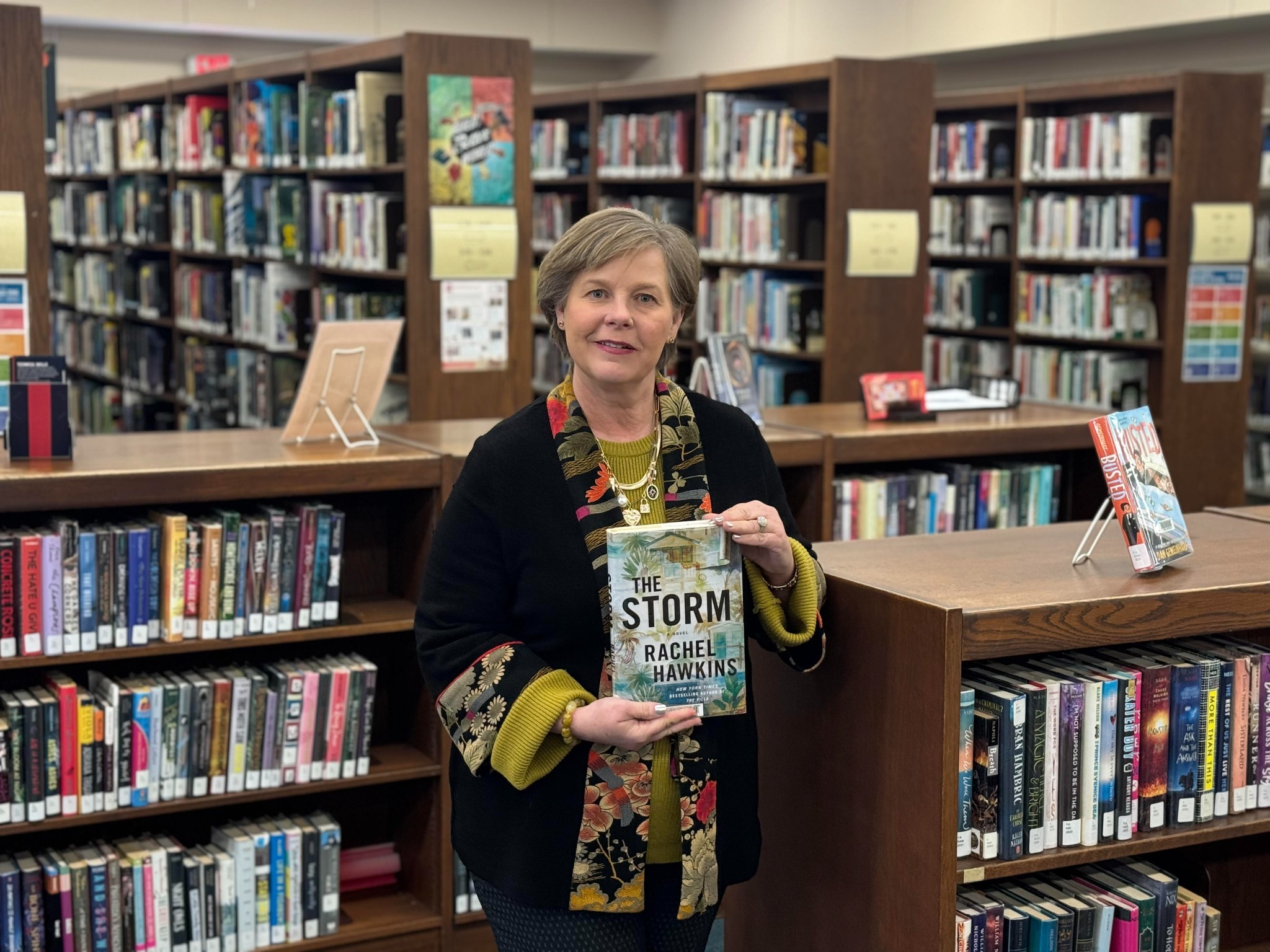
Catherine Vanstone, assistant director at Southwest Georgia Regional Library, offered several recommendations of her own — including a regional connection.
For fiction, she suggested “The Storm” by Rachel Hawkins, a thriller set during a hurricane on the Gulf Coast. Hawkins, originally from Dothan and now living in Auburn, captures the tension and emotional landscape of a storm in a way that resonates deeply with locals.
“The first sentence talks about how it’s always worse when they come at night,” Vanstone said. “Those of us who lived through hurricanes can completely agree with that statement. It’s the waiting that kills you more than anything.”
For nonfiction readers, Vanstone recommends “The Art Spy” by Michelle Young, a World War II history book that explores the Nazis’ relationship with stolen art, a fresh angle for readers who think they’ve seen everything the genre has to offer.
Vanstone also highlighted the Libby app as a tool for discovering new authors, especially for audiobook listeners.
Whether you’re seeking self‑improvement, escapism, or a deeper understanding of the world, the new year offers a chance to reset your reading life. From habit‑building guides to sweeping histories and psychological thrillers to timeless classics, these recommendations should get you on the right path.
Post a comment